Interaction as a mechanism, not just an interface layer.
My research examines how gaze, movement, environmental composition, and physiological signals can shape immersive experiences for attention, mental health, rehabilitation, and healthy ageing.
The common thread is not a single application area, but a design question: what changes when sensing becomes part of the interaction itself?
I usually think about an immersive system through three connected layers.
What can the system sense?
Gaze position, fixation, attention deviation, eye–head coordination, body movement, and physiological activity.
How does the system respond?
Dwell selection, attentional cues, progressive difficulty, environmental variation, generative transformation, and biofeedback.
What changes for the user?
Attention, anxiety, mindfulness, visual-search strategy, balance-related outcomes, perceived restoration, and emotional response.
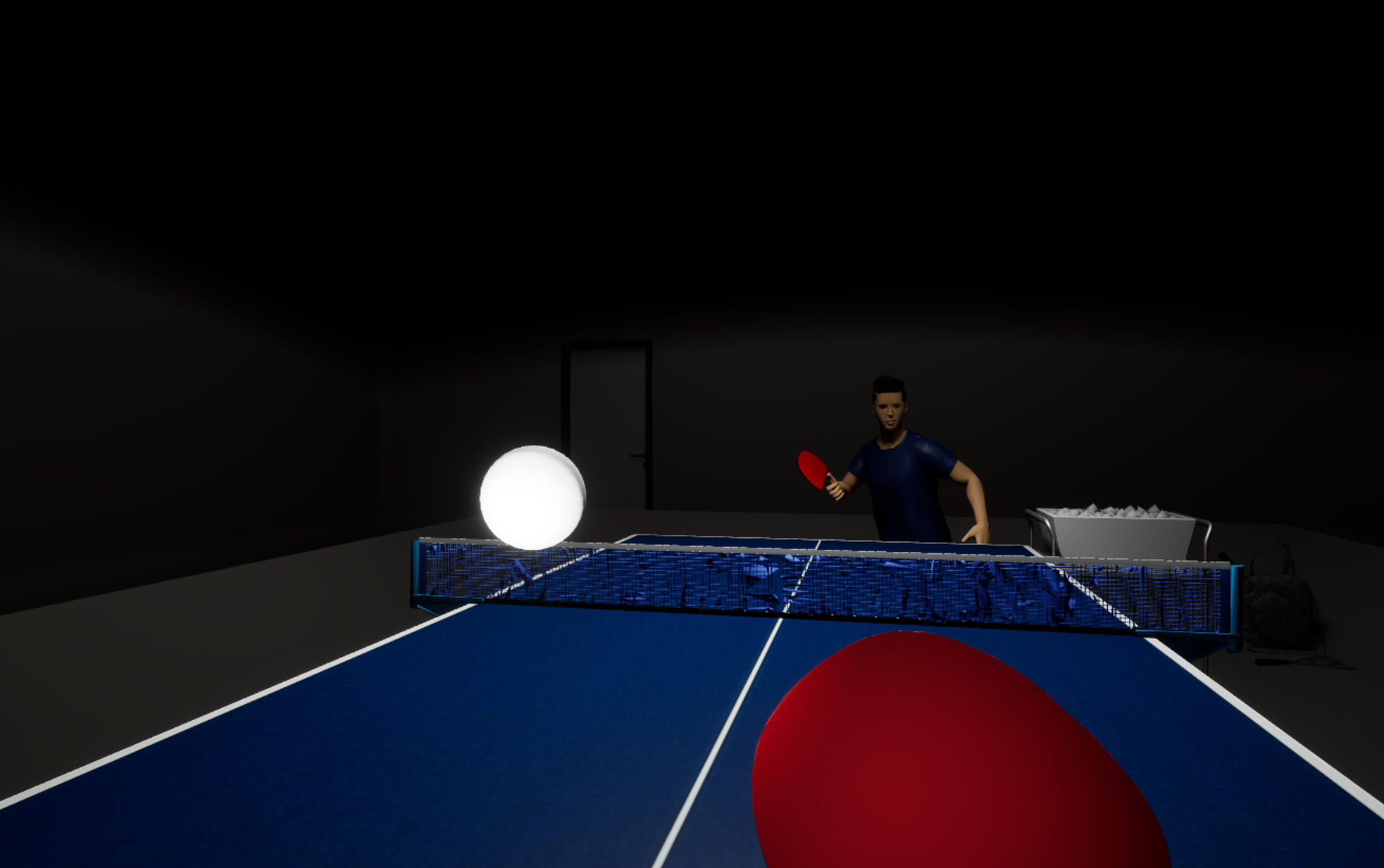
From observing gaze to designing with gaze.
I am interested in cases where eye tracking changes the task itself: using fixation as a selection mechanism, identifying sustained attentional drift, structuring visual-search practice, or training gaze stability during head movement.
LumaStep
Designing VR as an intervention environment.
My work includes mindfulness, restorative environments, fall prevention, and rehabilitation. I focus on how the design of the immersive task—not simply immersion itself—changes attention, workload, behavior, and psychological outcomes.
VR Mindfulness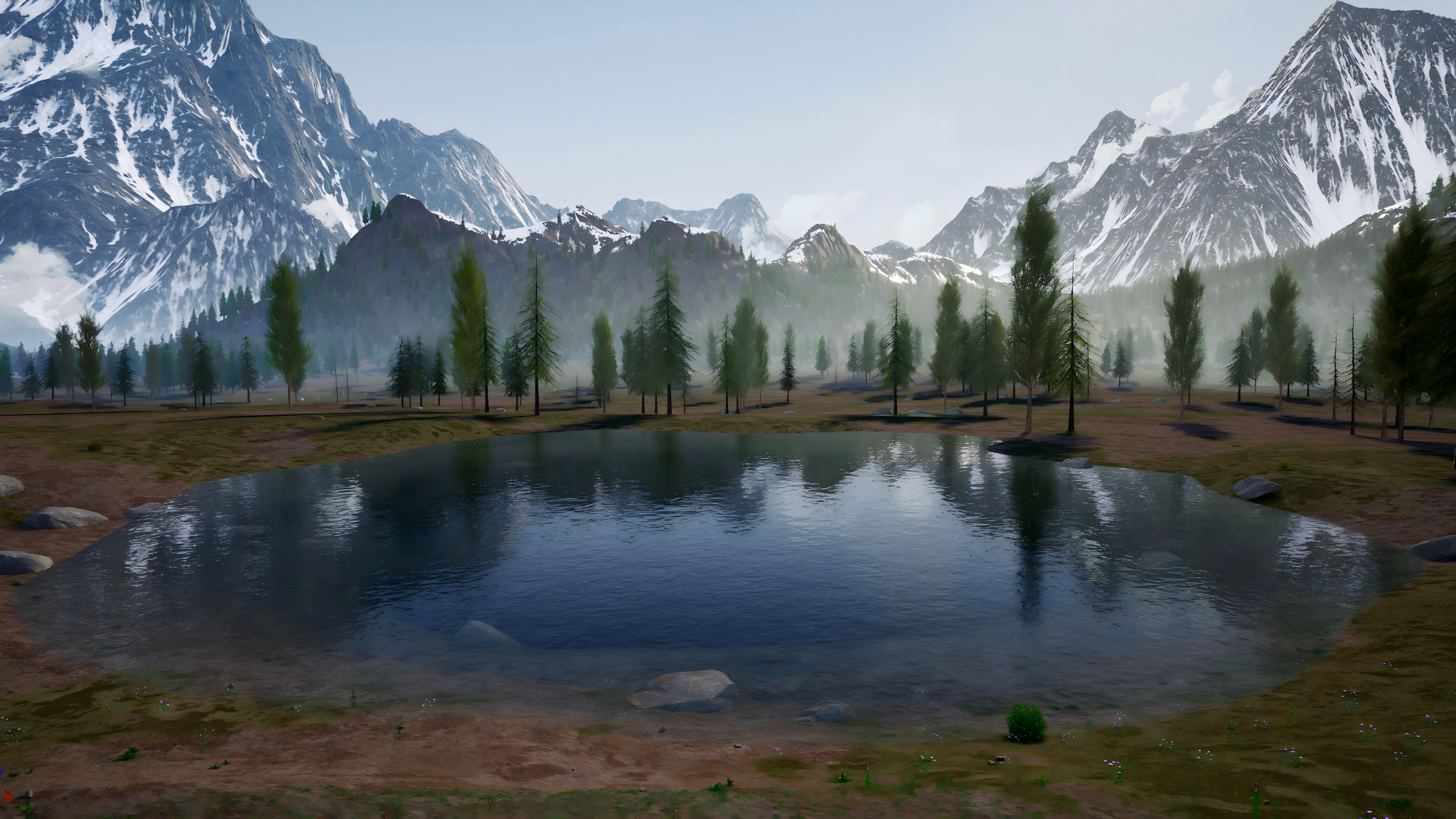
Evaluating what the interaction changes.
I combine controlled experiments with psychological measures, behavioral data, interviews, eye tracking, and fNIRS. Future work extends this toward systems that use multimodal signals not only for evaluation, but also for adaptation.
Related studyToward adaptive immersive systems for health and healthy ageing.
Gaze-aware interaction
Designing input and feedback mechanisms around fixation, attention, and eye–head coordination.
Transfer beyond the visual task
Studying whether visual-training gains can transfer into cognitive–motor, gait, and functional performance.
Multimodal adaptation
Combining behavioral and physiological signals to decide when an immersive system should intervene, adapt, or remain quiet.