About
My work sits between interaction design and empirical HCI research.
My academic path began in animation and visual design, where I became interested in how composition, movement, and spatial experience shape the way people perceive and engage with digital environments. During my M.S. training in Information and Interaction Design, that interest developed into a research focus on immersive interaction and digital health.
I now work across the full research process: identifying an interaction problem, designing and developing the VR system, planning the experiment, collecting user data, and evaluating the system through behavioral, psychological, qualitative, and physiological measures. I am especially interested in cases where the input modality changes the task itself—for example, when gaze becomes a means of selection, attention support, or visual training rather than simply a signal recorded for later analysis.
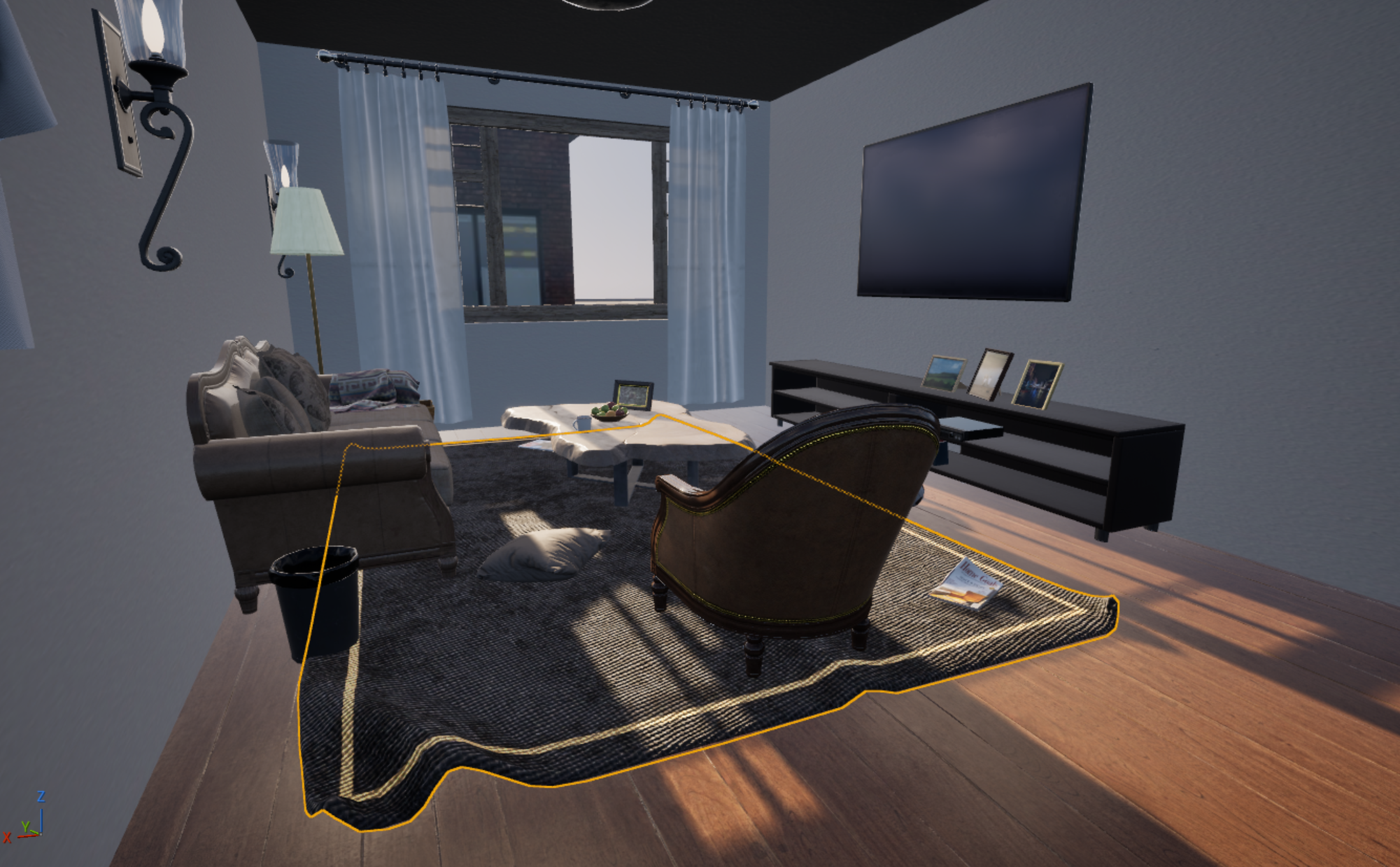
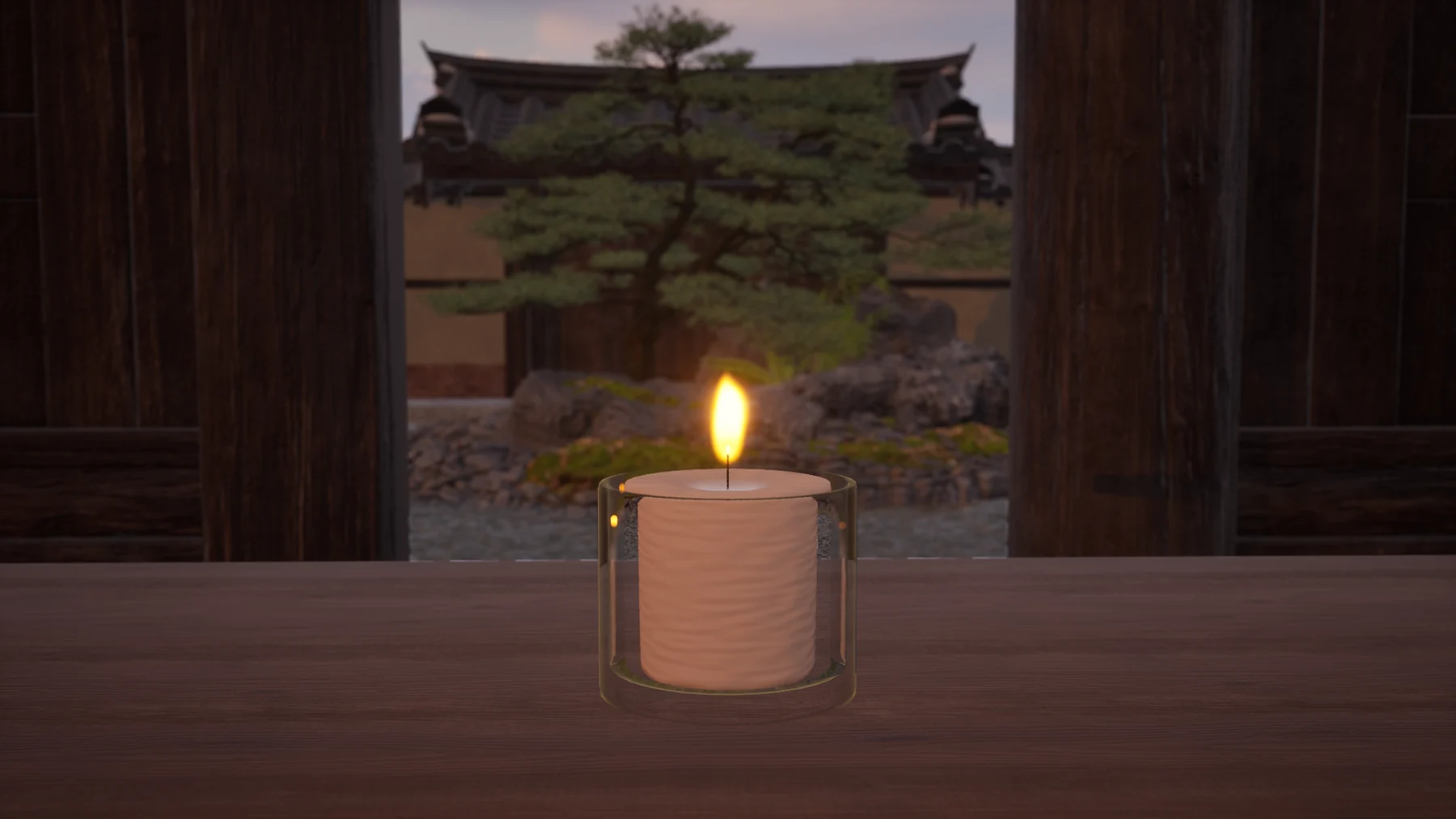
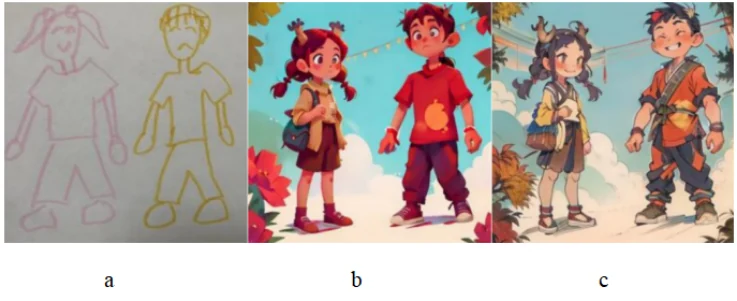
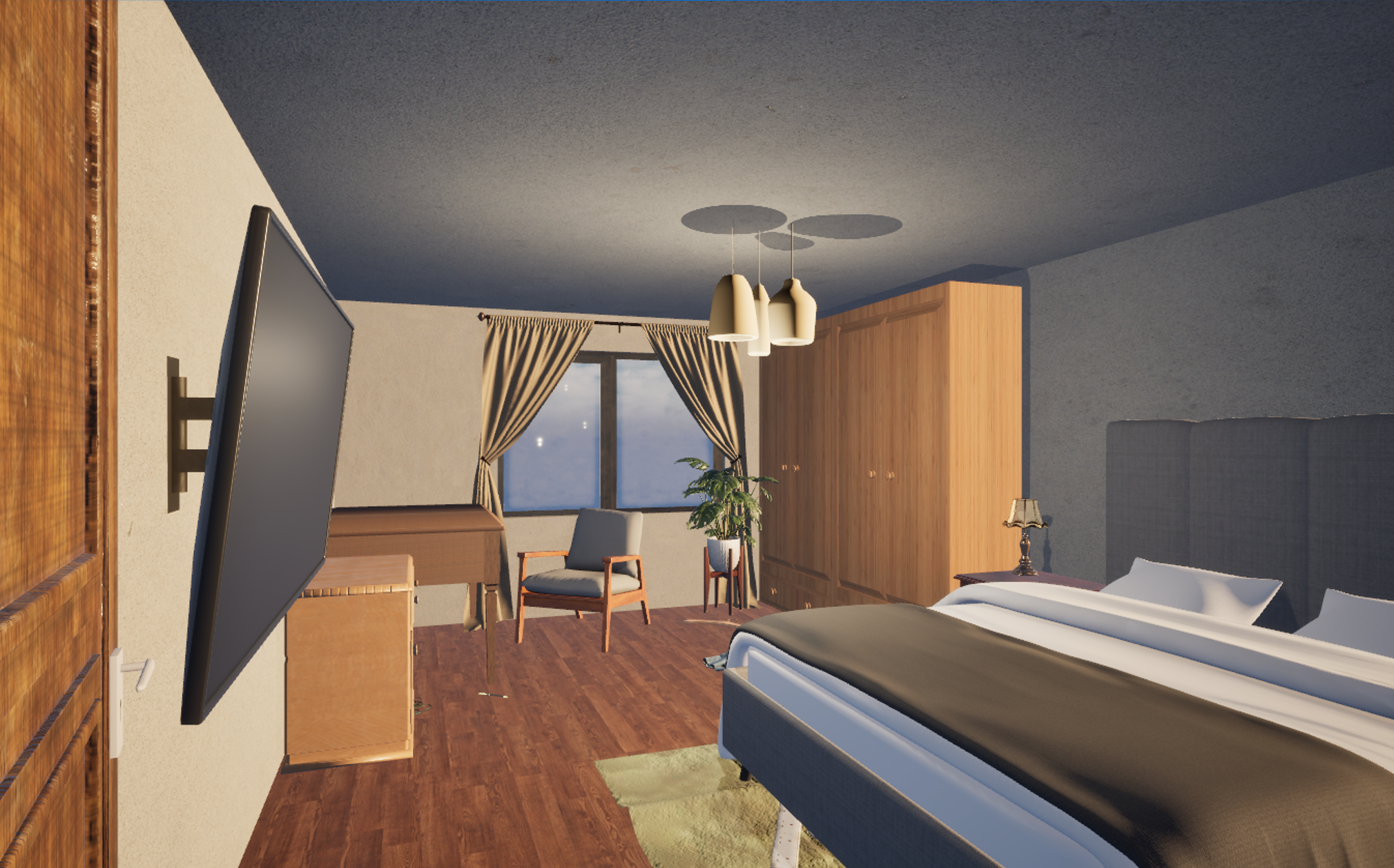
Across my recent projects, I have explored eye-controlled VR mindfulness, gaze-mediated fall-prevention training for older adults, restorative virtual environments, and AI-assisted embodied art therapy. Although the application areas differ, they share a common question: how can interactive systems respond to human attention, movement, and internal state in ways that are useful, understandable, and appropriate to the activity?
For doctoral research, I hope to continue working at the intersection of HCI, immersive technologies, and health, particularly gaze-aware interaction, adaptive VR/XR, healthy ageing, digital therapeutics, and multimodal evaluation.
Current
M.S. in Information and Interaction Design, China University of Geosciences (Wuhan), 2026
Background
B.A. in Art (Animation), Zhongnan University of Economics and Law · B.Eng. in Animation, Dongseo University
Research
Human–Computer Interaction · VR/XR · Eye Tracking · Digital Health · Healthy Ageing
Methods
VR prototyping · controlled user studies · eye tracking · fNIRS · behavioral and psychological measures · qualitative interviews